

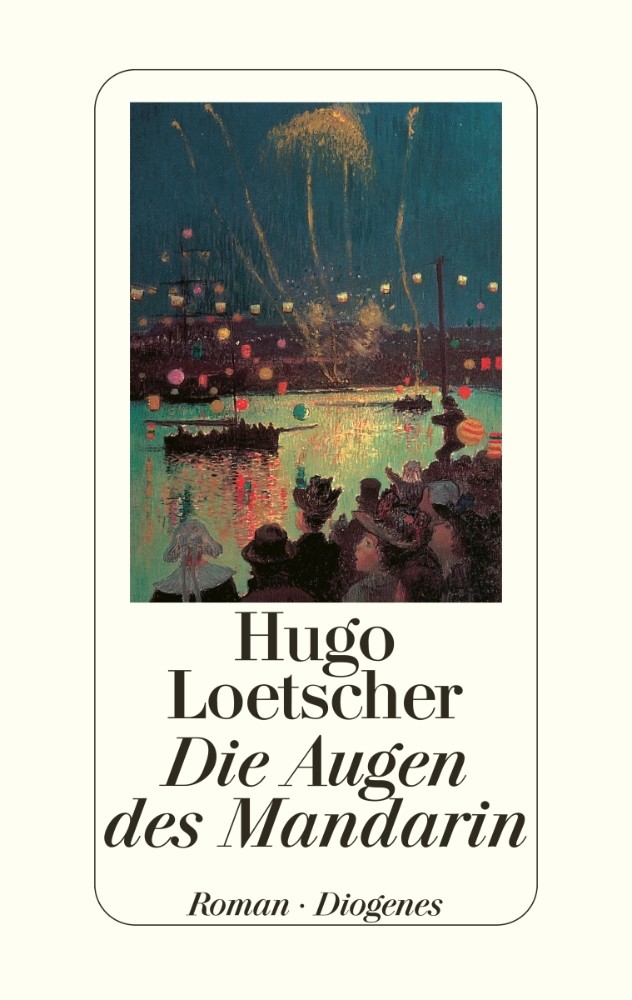
Die Augen des Mandarin
»Kann man mit blauen Augen sehen?« Die Frage eines fiktiven Mandarins stimuliert Past, den Ex-Angestellten einer obskuren Kulturstiftung, zu Erinnerungen aus seinem bewegten Leben, entführt ihn noch einmal in fast alle Erdteile und entlockt ihm pointierte Geschichten - in einem berauschenden Nebeneinander der Kontinente, Zeiten und Bilder. Bilanz eines intensiven Blicks, trotz »blaugrüner Augen«.
Mehr zum Inhalt
›Kann man mit blauen Augen sehen? Der Mandarin stellte die Frage, als er zum ersten Mal Barbaren aus Europa begegnete. – Kann man mit blaugrünen Augen sehen? Dies fragte Past. Nicht am kaiserlichen Hof von Peking, sondern in einer europäischen Stadt wie Zürich, gute dreihundert Jahre später. Nicht in einem Reich, das daran ging, seine Mitte zu verlieren, sondern in einem Kontinent, der seine Zentrallage hinter sich hatte …‹
Die Frage nach der Sehfähigkeit seiner Augen stimuliert Past, den Ex-Angestellten einer obskuren Kulturstiftung und Spezialisten für Gedenktage und Neujahrsfeiern, zu Erinnerungen aus seinem bewegten Leben. Sie entführt ihn noch einmal in fast alle Erdteile, sie entlockt ihm pointierte Geschichten und Anekdoten – in einem verstörenden, berauschenden Nebeneinander der Kontinente, Zeiten und Bilder, in dem sich Ränder und Zentren auflösen, sich unerwartet das Vertraute im Fremden und das Fremde im Vertrauten zeigt.
Kaleidoskop einer Welt, durch die man mühelos zappen kann und die sich doch nicht mehr begreifen lässt – außer im Geschichtenerzählen. Bilanz einer Bewusstseinslage und eines intensiven Lebens, eines ewig Neugierigen, der schon »aus Berufsgründen großräumig denkt«, voller Vitalität, Skepsis, Nachdenklichkeit – und von einem geradezu fernöstlich anmutenden Gleichmut: ein Perplexer einer Zeit des Wirrwarrs, die mit einem Löschfest endet.
Hardcover Leinen
384 Seiten
erschienen am 27. August 1999
978-3-257-06212-0
€ (D) 19.90 / sFr 35.90* / € (A) 20.50
* unverb. Preisempfehlung
384 Seiten
erschienen am 27. August 1999
978-3-257-06212-0
€ (D) 19.90 / sFr 35.90* / € (A) 20.50
* unverb. Preisempfehlung
Auch erhältlich als
»Ein Feuerwerk der Fabulierkunst. Daß es Hugo Loetscher gelingt, die pulsierenden Erinnerungssplitter zu einem berauschenden Ganzen zu verbinden, macht seine ganz eigene Kunst des Erzählens aus. Dieses Buch ist ein Geschenk.«
Susanne Schanda
/ Berner Zeitung
»Ich höre dem Helden von Hugo Loetscher genauso gerne beim Erzählen zu, wie ich mich von seinen Geschichten faszinieren, berühren lasse, davon, wie er ansetzt, fortführt, anscheinend beendet, um dann mindestens noch einmal in eine ganz andere Richtung zu führen.«
Konrad Holzer
/ Österreichischer Rundfunk, Wien
»Anders als alles Gewohnte und sehr zum Staunen. Die Augen des Mandarin ist nicht ein Roman, eher schon zweihundert Romane in einem. Es ist ein Funkeln, Blitzen und Witzeln von Geschichten, Ideen und Pointen, wie man es eher selten trifft in dieser Welt.«
Andreas Isenschmid
/ Tages-Anzeiger, Zürich