

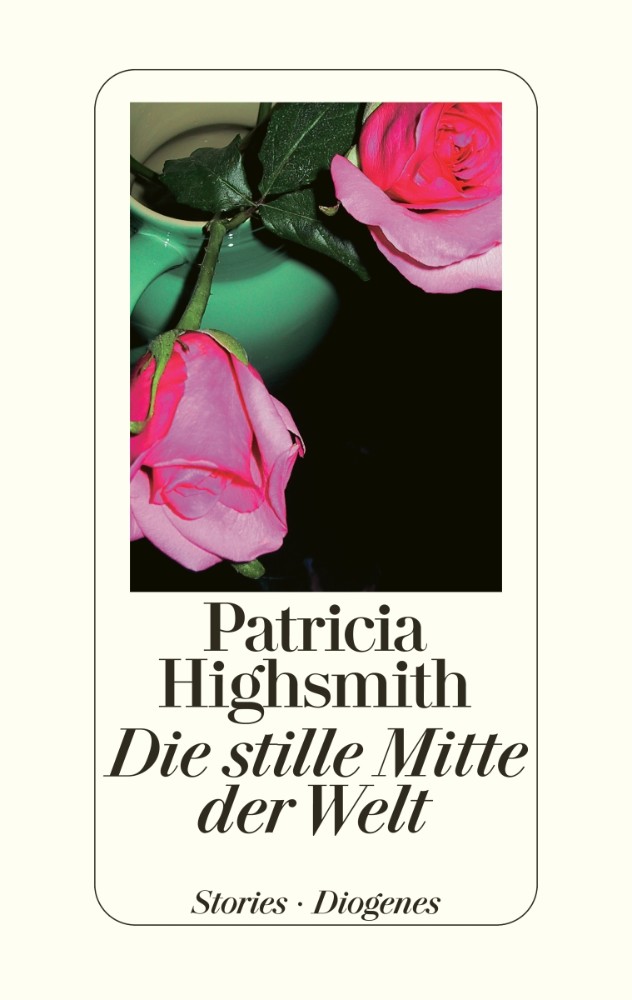












Die stille Mitte der Welt
Herausgegeben von Paul Ingendaay und Anna von Planta. Aus dem Amerikanischen von Melanie Walz. Mit einem Nachwort von Paul Ingendaay
Die hier unter dem Titel ›Die stille Mitte der Welt‹ vorgelegten Texte aus dem Nachlass sind keine Suspense- und keine Tiergeschichten, sondern psychologische Erzählungen.
14 Stories über moderne Großstadtmenschen in Not, über wissende kleine Mädchen, traumversponnene Liebende und ältere, vom Leben gerupfte Frauen und Männer.
Die Geschichten gehorchen keinem Muster und keiner einheitlichen Methode, sie verraten noch nicht einmal in allen Fällen dieselbe Hand – als hätte die junge Patricia Highsmith mit jeder Geschichte einen eigenen Modus erfinden und das Verhältnis zur Welt neu festlegen müssen.
Dabei sind die Verzauberung durch erhoffte Seelenverwandtschaften, die betäubten Schritte einer in die Trauer entlassenen Figur und das Zermürbende des Lebenskampfes mit viel Takt, enormer Anteilnahme und großem Sinn für die sprechenden Details eingefangen.
Hardcover Leinen
400 Seiten
erschienen am 28. Februar 2002
978-3-257-06429-2
€ (D) 21.90 / sFr 29.90* / € (A) 22.60
* unverb. Preisempfehlung
400 Seiten
erschienen am 28. Februar 2002
978-3-257-06429-2
€ (D) 21.90 / sFr 29.90* / € (A) 22.60
* unverb. Preisempfehlung
Auch erhältlich als