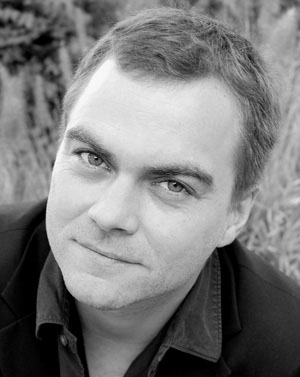

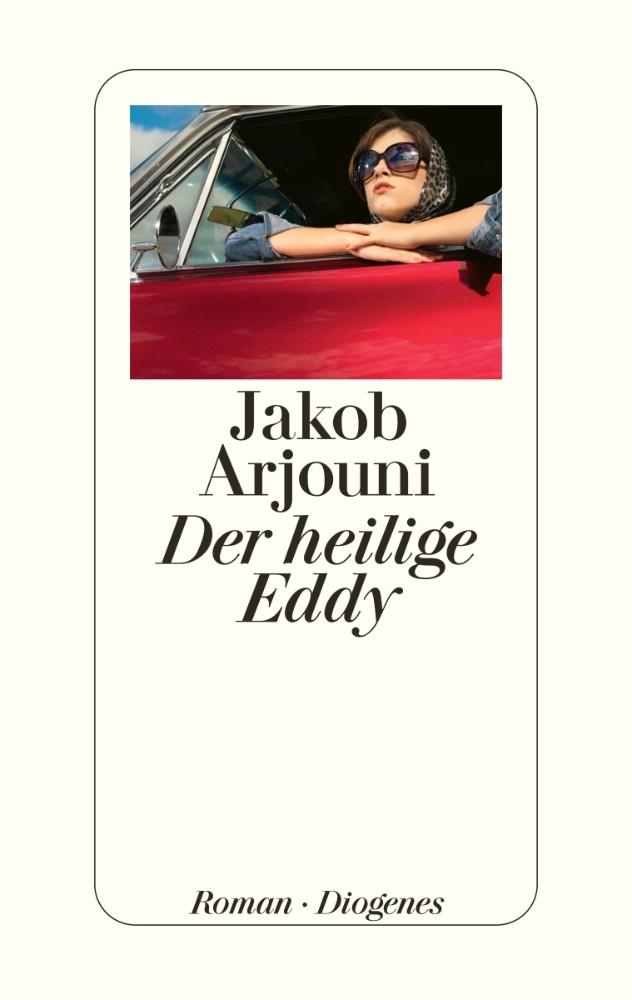
Jakob Arjouni, born 1964 in Frankfurt on the Main, has published novels, short stories, theatre and radio plays. Arjouni was only twenty-one years old when his acclaimed debut, ›Happy birthday, Turk!‹ was published and its main character, the Frankfurt-based private detective Kemal Kayankaya, took on his very first investigation. In 1991, the book was made into a film, directed by Doris Dörrie. Three further cases followed; for the third, ›One Man, One Murder‹, Jakob Arjouni was awarded the 1992 ›German Crime Fiction Prize‹. In autumn 2012, ›Brother Kemal‹, the fifth volume starring the German-Turkish investigator was published. The series is now firmly established as a classic amongst crime literature. Apart from his stage plays, his work also includes the Berlin novels ›Magic Hoffmann‹ (1996) and ›Holy Eddy‹ (2009) as well as ›Idiots. Five Fairy Tales‹ (2003). His novels ›Homework‹, ›Chez Max‹, and particularly his novel about an East-German Nazi follower, ›Cherryman Hunts Mister White‹, are now on school reading lists. The theme of addressing violence in all its forms runs through Arjouni's work like a red thread. His readers loved him for his thrilling, sharp-tongued, linguistically unpretentious, witty and clever books. He died on the 17th of January 2013 in Berlin.
Jakob Arjouni's works have been published in 24 languages.